Jun. 06, 2026
Table of Content [ Hide ] [ Show ]
The Critical Role of Filters in Excavator Health
A Closer Look at the Essential Filter Types
1. Air Filters: The First Line of Defense
2. Oil Filters: Ensuring Smooth Engine Lubrication
3. Fuel Filters: Protecting the Injection System
4. Hydraulic Filters: Maintaining Peak Performance
Spotlight on Hitachi Excavator Filters
In the high-octane world of construction and heavy machinery, the performance of your equipment is directly tied to your profitability. Operators and fleet managers often focus on the most visible components—engines, hydraulics, and tracks—while overlooking one of the most critical elements that keep these mechanical beasts running smoothly: filters. A well-maintained fleet of excavators is the backbone of any successful construction project. However, even the most advanced machinery can grind to a halt due to contaminated oil, air, or hydraulic fluid. This is where high-quality excavator filters come into play. In this comprehensive guide, we will delve into the importance of premium filters, the specific types essential for your Hitachi excavators, and how proper maintenance can save you thousands in repair costs.
Excavators operate in some of the harshest environments imaginable. From dusty construction sites to muddy trenches, these machines are constantly exposed to contaminants that can wreak havoc on their internal systems. Filters act as the first line of defense, trapping debris, dust, and metal particles before they can cause catastrophic damage.
The engine, often referred to as the heart of the excavator, requires clean air and oil to function efficiently. A clogged air filter restricts airflow, leading to reduced combustion efficiency, increased fuel consumption, and excessive wear on engine components. Similarly, a dirty oil filter fails to remove abrasive particles from the lubricating oil, accelerating engine wear and potentially leading to costly overhauls or complete engine failure.
The hydraulic system, on the other hand, is the muscle of the excavator. It powers the boom, arm, bucket, and undercarriage. Hydraulic filters are crucial for maintaining the cleanliness of the hydraulic fluid, which is the lifeblood of this system. Contaminants in the hydraulic fluid can cause valves to stick, seals to fail, and pumps to wear out prematurely. Given that hydraulic repairs can run into tens of thousands of dollars, investing in high-quality hydraulic filters is not just a maintenance task—it's a financial imperative.
When it comes to maintaining your excavators, understanding the different types of filters and their specific roles is paramount. Let's explore the core filtration systems that every excavator relies on:
Air filters are designed to protect the engine from dust, dirt, and other airborne particles. They ensure that only clean air enters the combustion chamber, which is vital for optimal engine performance. There are typically two stages of air filtration: a primary filter that captures larger particles and a secondary, high-efficiency filter that traps finer dust. In extremely dusty environments, pre-filters or air cleaners with automatic dust ejection systems may be necessary to extend the life of the main filter elements.
Oil filters play a crucial role in the engine's longevity by removing contaminants from the engine oil. As the engine runs, metal shavings, carbon deposits, and sludge can accumulate in the oil. The oil filter traps these impurities, preventing them from circulating through the engine and causing wear and tear. It is generally recommended to replace the oil filter during every oil change interval to maintain peak lubrication performance.
Modern excavators are equipped with sophisticated fuel injection systems that require ultra-clean diesel fuel. Fuel filters are responsible for removing water, sediment, and microscopic particles from the fuel before it reaches the injectors. Water in the fuel can lead to corrosion and freezing in cold weather, while particulate matter can damage expensive high-pressure fuel pumps and injectors. Regular replacement of fuel filters is essential to prevent power loss, rough idling, and injector failure.
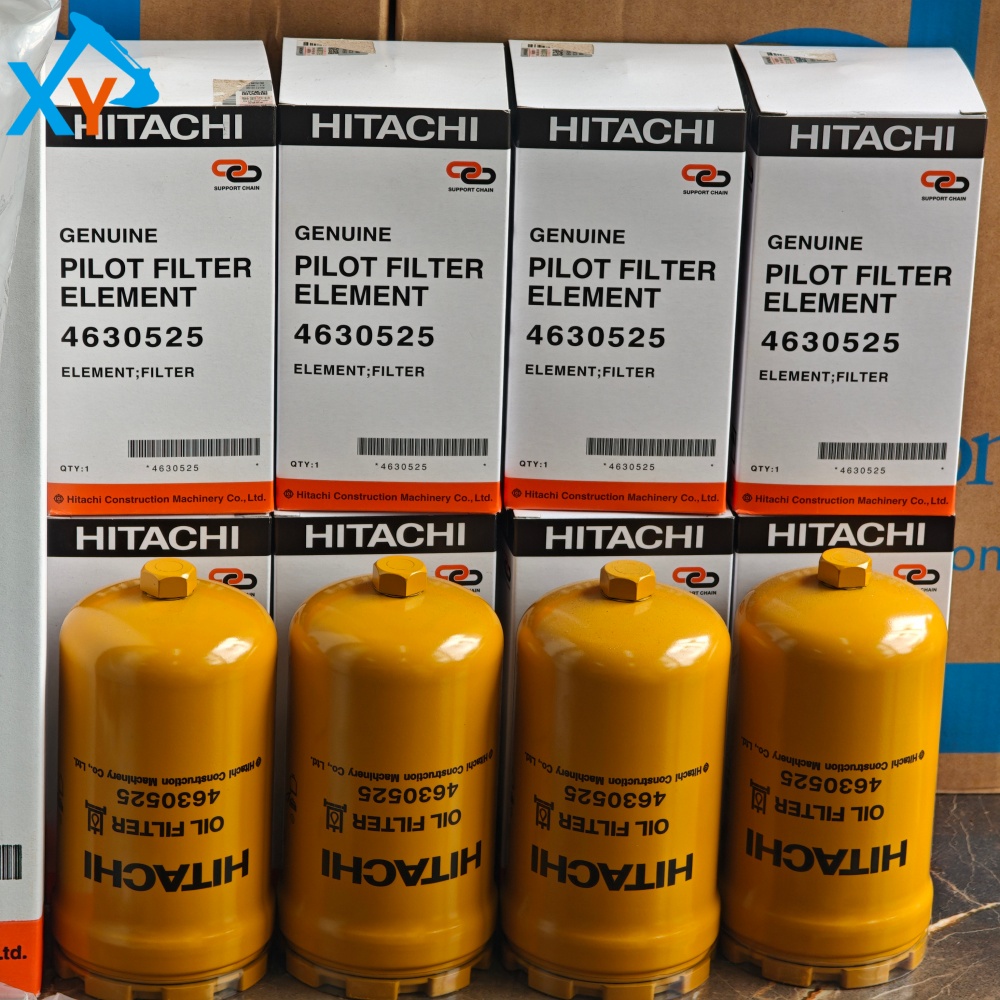
Hydraulic filters are arguably the most critical filters on a hydraulic excavator. They come in various locations within the hydraulic circuit, including return line filters, pressure line filters, and pilot line filters. Each type serves a specific purpose in capturing contaminants generated by component wear or ingested from the outside environment. High-efficiency hydraulic filters with low micron ratings are essential for protecting sensitive hydraulic components like pumps, motors, and control valves.
Hitachi Construction Machinery has long been recognized as a leader in innovation and reliability. Their excavators are designed to deliver exceptional power and efficiency, but to maintain this high standard, they require filters that meet stringent OEM (Original Equipment Manufacturer) specifications. Utilizing genuine Hitachi filters or equivalent high-quality aftermarket options ensures perfect fitment and optimal filtration efficiency.
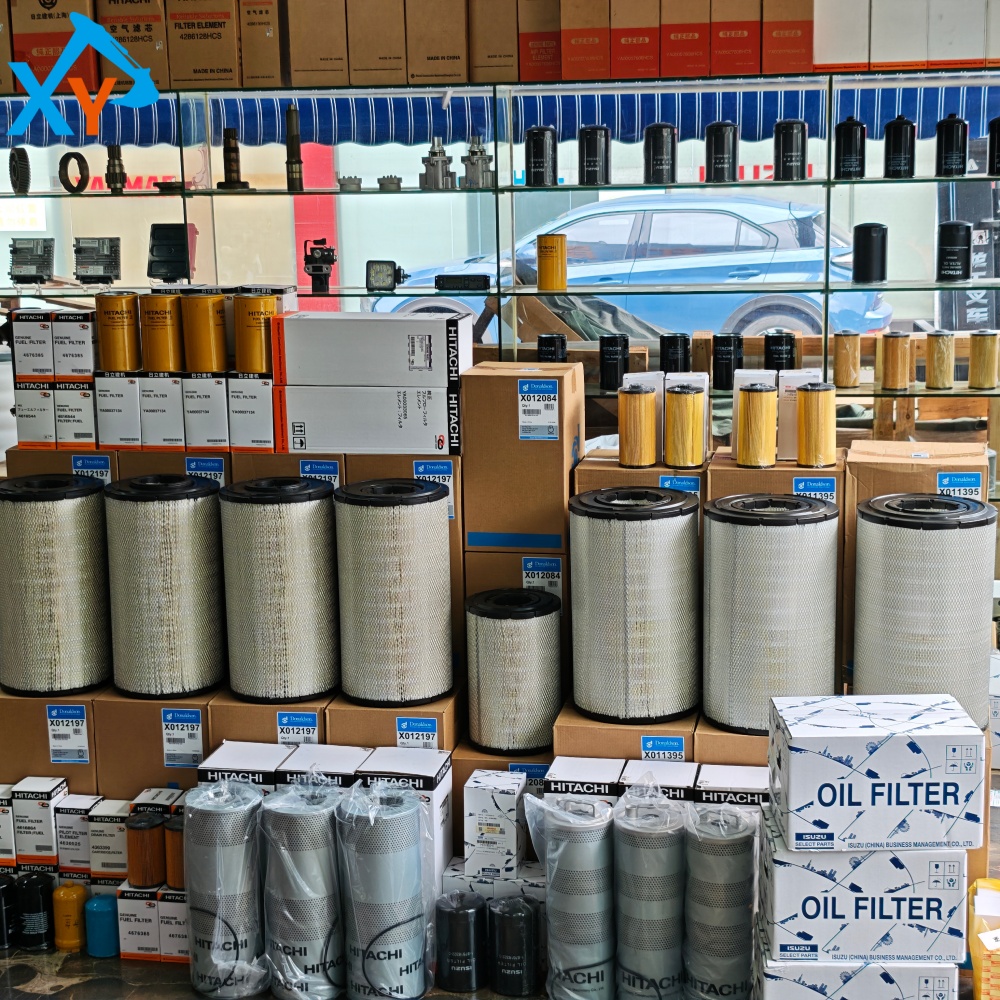
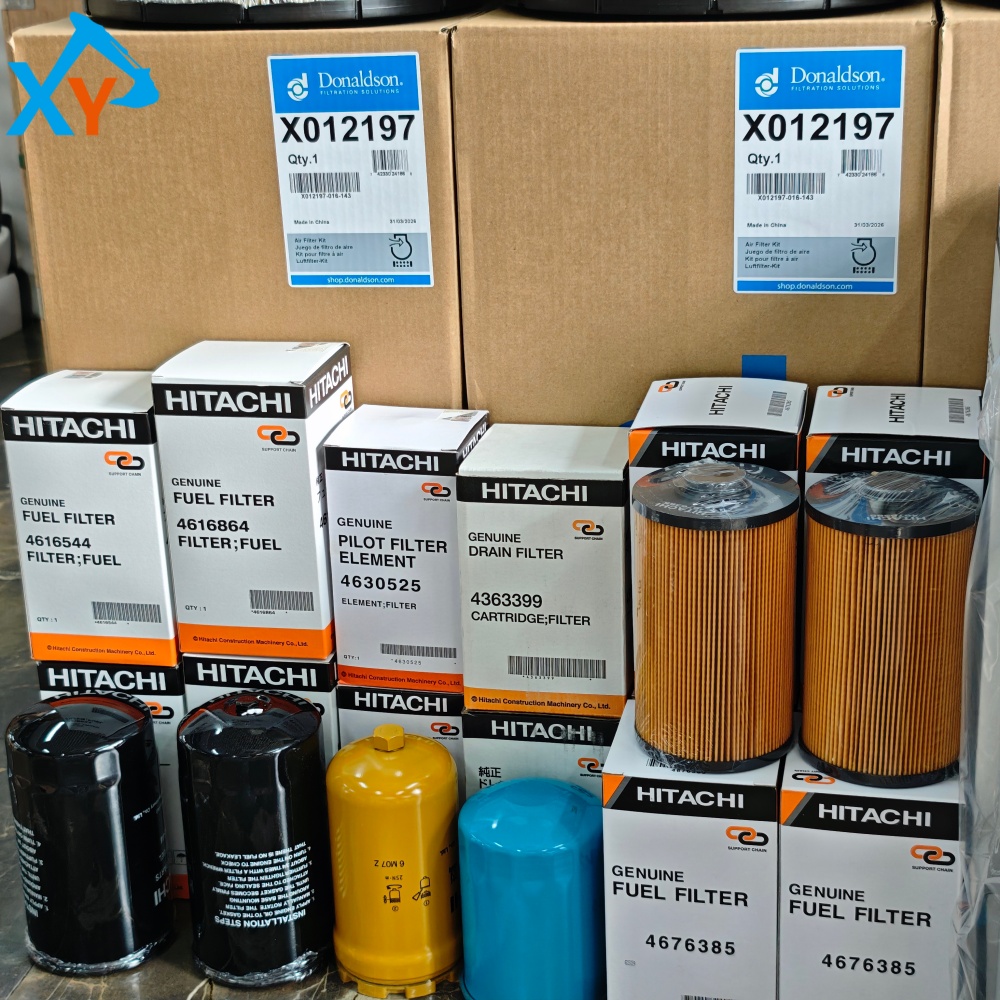
The image showcases a comprehensive array of Hitachi excavator filters, neatly arranged to highlight their diversity. From large cylindrical air filter elements to compact cartridge-style oil and hydraulic filters, these components are engineered to withstand the rigors of heavy-duty operation. The prominent Hitachi branding on the packaging signifies that these parts are designed to integrate seamlessly with Hitachi machinery, providing peace of mind to operators who demand nothing but the best for their equipment.
In an effort to cut costs, some operators may be tempted to opt for cheaper, off-brand filters. While this may seem like a smart financial decision in the short term, it often leads to significant long-term expenses. Low-quality filters typically have lower filtration efficiency, meaning more contaminants pass through to critical components. They may also have weaker construction, leading to leaks or blowouts under high pressure.
Moreover, poor-quality filters can become clogged more quickly, restricting flow and causing system overheating. In the hydraulic system, this can lead to cavitation in pumps and actuator failure. In the engine, restricted airflow can cause overheating and power loss. Ultimately, the money saved on a cheap filter can be dwarfed by the cost of repairing or replacing a major component that was damaged due to inadequate filtration.
To maximize the lifespan and performance of your excavators, adhering to a rigorous filter maintenance schedule is essential. Here are some best practices to follow:
Follow OEM Recommendations: Always consult your machine's operation and maintenance manual for the manufacturer's recommended service intervals. These guidelines are based on extensive testing and provide the optimal balance between performance and cost.
Inspect Regularly: Don't wait for a scheduled service interval if you're operating in particularly harsh conditions. Regularly inspect filters for signs of clogging, damage, or leaks. Visual inspections can often catch potential issues before they escalate.
Use the Right Tools: When replacing filters, use the correct tools to avoid damaging the filter housing or the new filter. Ensure that all seals and gaskets are properly lubricated with clean oil before installation to create a perfect seal and prevent leaks.
Monitor Fluid Conditions: Keep an eye on the condition of your engine oil, hydraulic fluid, and fuel. Unusual discoloration, cloudiness, or the presence of debris can indicate a problem with your filtration system.
Keep Records: Maintain detailed maintenance records for each piece of equipment. This not only helps you stay on top of service schedules but also provides valuable data for resale and warranty claims.
Latest News

Jun. 06, 2026
Related Products

With 26 years of industry experience, we provide users with genuine spare parts
Call Us Now
+86 191 2466 1674
Contact Us
+86 191 2466 1674
No. 902, 9th Street, Zhuji International Machinery Parts City, No. 36, Zhuji Road, Tianhe District, Guangzhou
Navigation
Navigation
Request An Quote
Request An Quote


 FR
FR
 ES
ES
 AR
AR
 RU
RU
 PT
PT
 DE
DE
 JA
JA
 KO
KO
 IT
IT
 IN
IN
 TR
TR
 NL
NL
 TH
TH
 VI
VI
 BN
BN
 EL
EL
 HI
HI
 FA
FA


